
Whoa, this surprised me at first.
I used to assume browser extension wallets were all roughly the same. It felt safe to think that. Initially I thought Chrome and Brave extensions behaved identically, but then I dug deeper and found subtle UX and permission differences that matter. On one hand convenience wins; though actually security trade-offs can be large when you trust the wrong workflow.
Seriously, check your permissions. Many wallets ask for broad access and you just click accept. My instinct said “somethin’ off” when I saw sites requesting wallet permissions for things they didn’t need. Hmm… that little popup can hide a lot, especially when wallets expose signing flows without clear context. Over time you begin to notice patterns — repeated approval prompts, vague transaction descriptions, and UI tricks that nudge you into mistakes.
Here’s the thing. Not all wallets treat approval flows the same. Some lump approvals together. Others give step-by-step details. I like explicitness. I’m biased, but clarity reduces user error — and user error is the core risk in DeFi security. Actually, wait — let me rephrase that: the technical attack surface is smaller than the human attack surface in many cases, which is why UX matters so much.
Whoa, that bugs me. Many guides obsess over private key encryption while glossing over the UX that leads to signing the wrong thing. People write cold-storage checklists and forget the signing modal that showed “Approve” without readable metadata. On one level, it’s developer oversight; on another, it’s educational failure. Users get comfortable, and comfort is the enemy of vigilance.
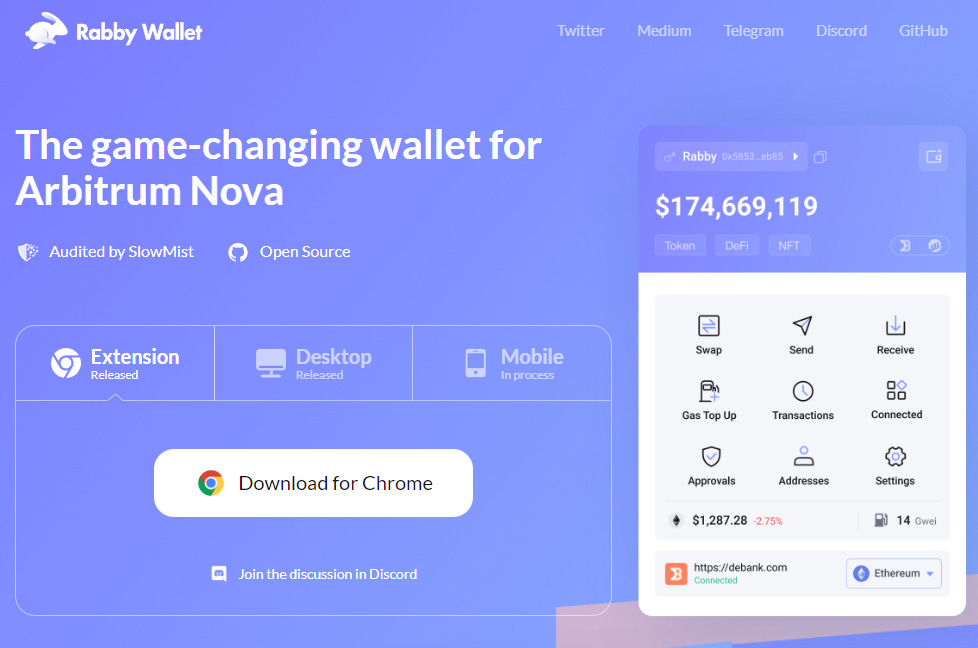
Okay, so check this out — Rabby approaches signing and permissions differently. It isolates dapps, shows clearer intent, and surfaces transaction details in an understandable way. When I first tested it I liked the transaction breakdown; then I noticed the site isolation features and thought, oh nice. Honestly, I’m not 100% sure it’s perfect, but it fixes many of the daily annoyances that lead to mistakes.
Whoa, here’s a plain truth. Browser wallets are extensions living in a complex ecosystem. They interact with websites, injected scripts, and third-party plugins. That means permission design, origin isolation, and signing UX all have to be handled thoughtfully to avoid accidental approvals. On the technical side, improvements like permission scoping, contextual signing, and clearer gas cost presentation help reduce risky behavior.
Seriously, gas details matter more than people think. If a wallet hides a gas bump or bundles transactions, a user might unknowingly authorize a large transfer. My gut told me to look at how each wallet presents nonce, gas limit, and to-address details — that little hesitation often prevents mistakes. On the other hand, cryptic displays increase the chance of reflexive approvals, which is exactly what attackers count on.
Whoa — and then there’s approvals for token allowances. Approve once, and a contract can drain funds later. I know, I know — everyone posts token-allowance warnings, but real UX fixes are rare. Initially I assumed “revoke” buttons would be standard, but many wallets bury them. Rabby surfaces allowance revocations and even warns about unlimited approvals. That felt like a breath of fresh air when I tried it in the wild.
Here’s what bugs me about sloppy wallet UX. It trains bad habits. If the wallet always accepts vague “sign” requests, users start trusting the prompt instead of reading it. That pattern is how phishing dapps and malicious contract interactions succeed. So, the higher-level security controls aren’t just tech; they’re behavioral nudges, and we need better nudges, not just better encryption.
Whoa, I’m being candid here. Some features that sound “secure” in docs are actually risky in practice. For example, batch approvals might reduce friction but increase blast radius when one dapp is compromised. On one hand batching is efficient. On the other, if a single approval opens multiple permissions, your exposure multiplies. That’s the kind of trade-off engineers rarely admit in marketing materials.
Okay, practical tips — short and useful. First: always check the origin and purpose in the signing modal. Second: limit approvals to only what’s necessary. Third: revoke allowances frequently. Fourth: prefer wallets that separate dapp sessions and show explicit intent. Fifth: keep your extension and browser up to date. I’m biased toward wallets that make these things obvious, not hidden away.
Whoa, if you want to try a wallet that emphasizes clarity, look here for a clean installer and more info: rabby wallet download. I recommend reading the change log and permission list during installation. Also, try a small test transfer before doing anything big; it’s an old trick but still my go-to sanity check.
Seriously, small tests save big headaches. Try interacting with a known safe dapp and inspect each signing request. If a modal shows unexpected calls or unhelpful gas info, pause. My method is simple: test, inspect, then transact. Initially I skipped that step plenty of times, and then I learned the hard way — luckily only on small amounts.
Hmm… a quick aside (oh, and by the way…) — hardware wallets still matter. Browser extensions are convenient, but pairing them with a hardware key adds a crucial layer. Not everyone wants that friction, though, and that’s understandable. Balance is personal. For many DeFi users, a well-designed extension plus periodic hardware confirmations hits the sweet spot between security and usability.
Whoops, did I mention backups? I probably did, but it’s worth repeating. Back up your seed phrase offline and resist uploading it anywhere. Even encrypted backups on cloud drives are arguable. Write it down, store it in two secure spots, and consider non-obvious storage strategies. This stuff gets repeated because it’s critical — and because people forget or assume it won’t happen to them.
Okay, what about social engineering and phishing? That’s a whole category. Attackers copy dapp UIs, use similar domains, and craft prompts that look legitimate. Your browser wallet should highlight the origin and contract address clearly. Rabby and a few other wallets make it easier to spot mismatches. That doesn’t mean they’re invincible — just that better visibility reduces success rates for phishers.
Whoa, final note — stay curious and skeptical. DeFi moves fast and new UX patterns emerge all the time. On one hand, innovation brings powerful tools. On the other, each new integration is an attack surface that deserves a close look. I’m not trying to scare you; I’m trying to nudge you into habits that keep your funds safer.
Quick security checklist for browser extension wallets
Install from official sources, verify permissions, test with tiny amounts, revoke unnecessary allowances, pair with hardware wallets when possible, and keep software updated. I’m biased toward usability that prioritizes safety, because in practice that’s what prevents mistakes. Also remember: a wallet that teaches you to be cautious is better than one that hides complexity, even if the latter feels simpler at first.
FAQs
How essential is a hardware wallet with an extension?
Very useful for high-value accounts. For everyday small transactions, a secure extension with good UX may suffice. However, for larger holdings or frequent high-value trades, a hardware wallet paired with the extension significantly reduces risk from browser or extension exploits.
Can I trust allowance revocation features?
They help a lot, but they’re not magic. Revocation reduces persistent exposure to malicious contracts and limits what a compromised dapp can do. Use them often, and combine revocations with separate accounts for different risk profiles (e.g., trading account vs. cold savings).